Construction of the first large-caliber ammunition production plant in the Baltics begins in Latvia
.png)
On January 8, 2026, construction began on the ROLLO project – “PROduction of ModuLar Charges with TripLe and Double Base PrOpellant” – marked by the laying of a foundation capsule at the future production site in Iecava, Bauska municipality.
The facility will manufacture modular propellant charges for artillery ammunition and is expected to start operations in the second half of the year.
The project aims to expand ammunition production capacity, support the needs of Latvia’s armed forces and strengthen the national defence industry, while integrating it into international supply chains in cooperation with local and foreign partners.
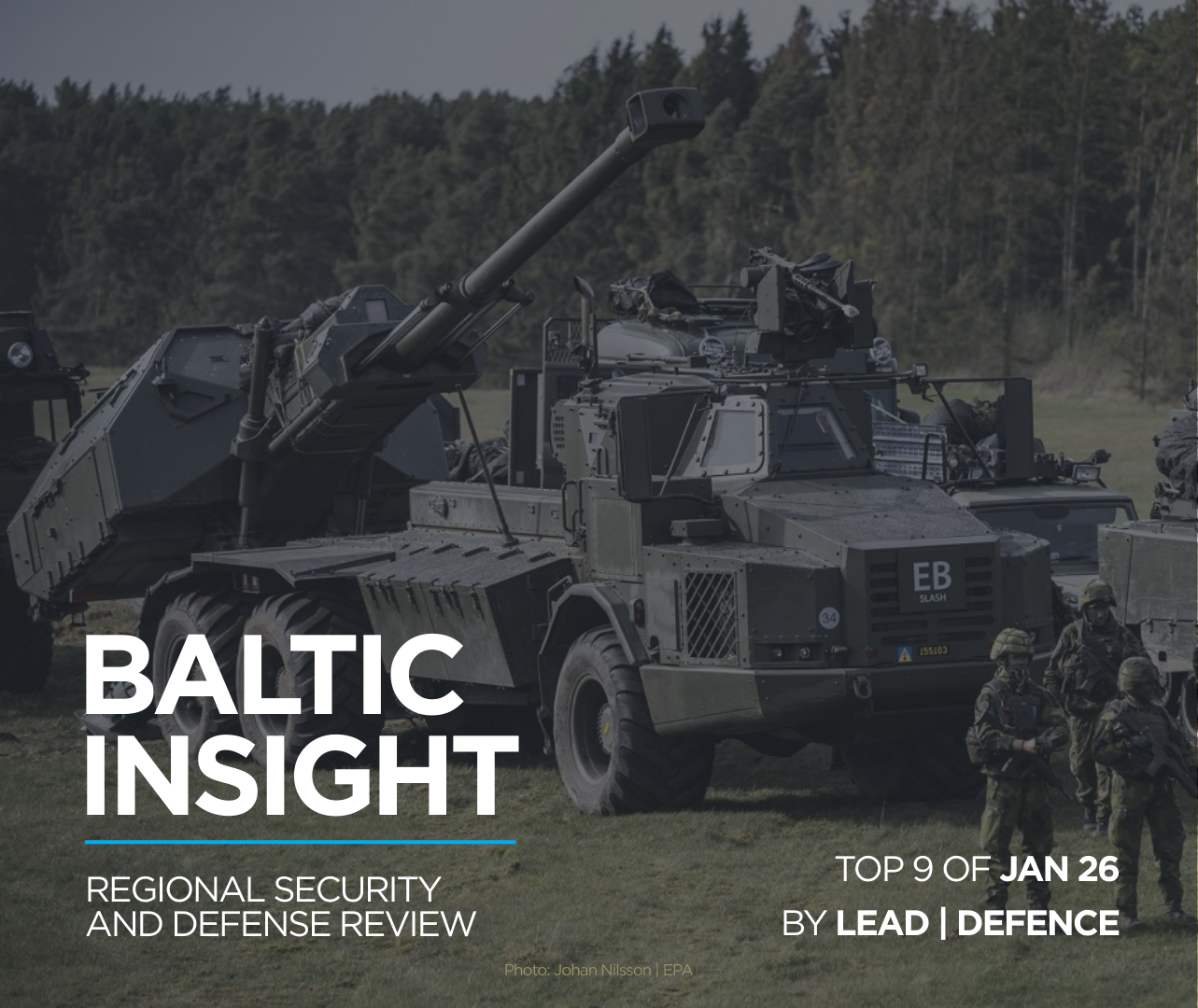
Latvia moves forward with Archer artillery acquisition in partnership with Sweden
.png)
On January 13, the Latvian government gave conceptual approval to the procurement of Archer wheeled artillery systems to strengthen the National Armed Forces’ indirect fire capabilities and deepen defence cooperation with Sweden.
The planned acquisition of 18 systems follows a previously signed letter of intent and is expected to form the basis for long-term interoperability, joint training and experience exchange between the two countries.
As part of the cooperation roadmap to be signed by the defence ministers, Sweden will deploy Archer systems to Latvia from 2026, while both sides establish a joint Archer 6x6 unit to support training and capability development ahead of deliveries.
The initiative is intended to enhance Latvia’s fire support capacity and reinforce regional defence cooperation in the Baltic area.
“SAF Tehnika” has developed a prototype of a radio signal jamming device
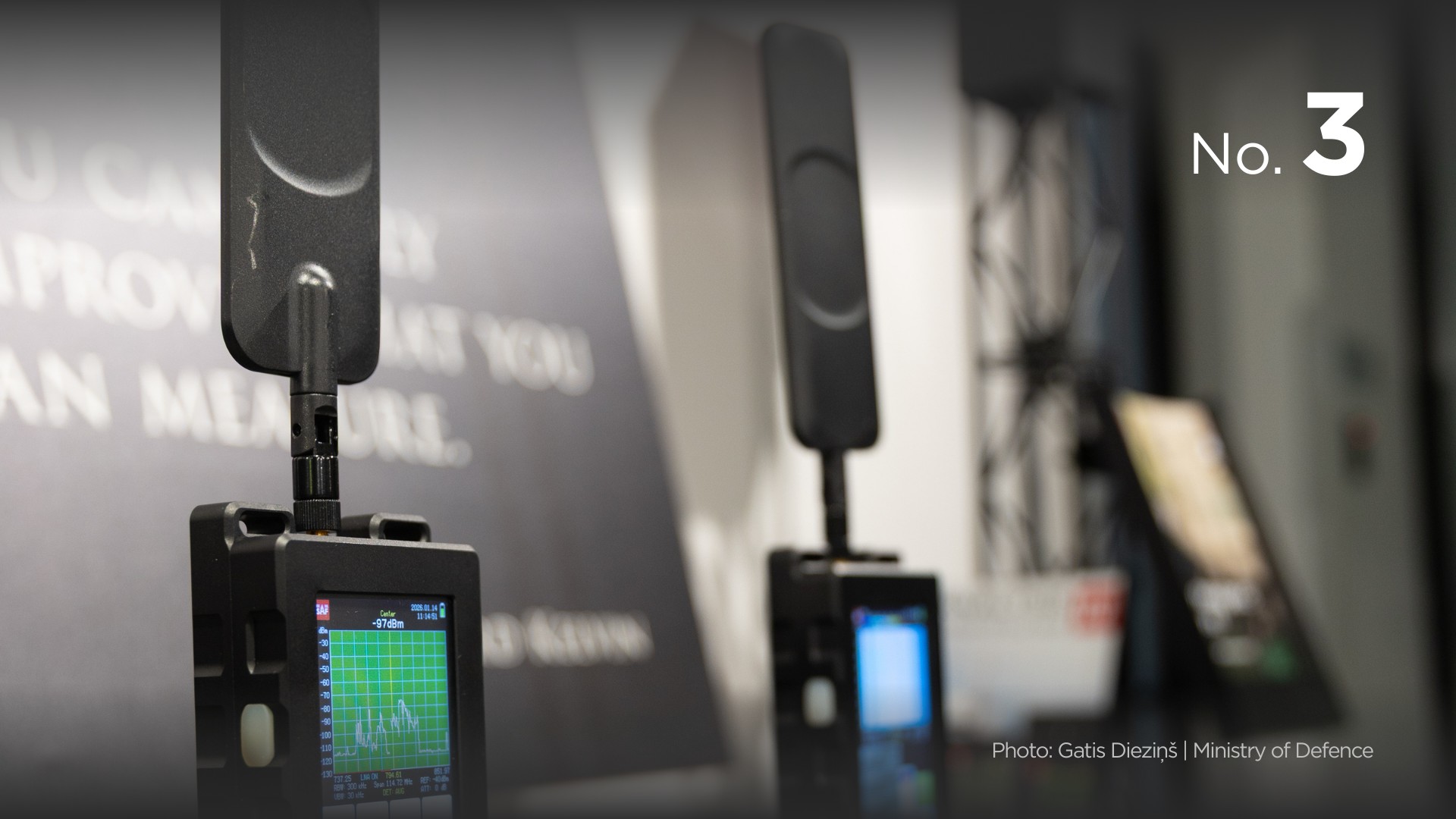
On January 14, SAF Tehnika presented a prototype electronic warfare device designed to jam radio signals used by drones, disrupting their communication with operators and satellite navigation systems.
The solution aims to reduce drone threats and support the protection of critical infrastructure by preventing unmanned aircraft from completing missions.
The prototype was developed in cooperation with Latvia’s Ministry of Defence under a research and development project focused on strengthening national counter-drone capabilities.
KNDS to equip Lithuania with LEGUAN bridge layers
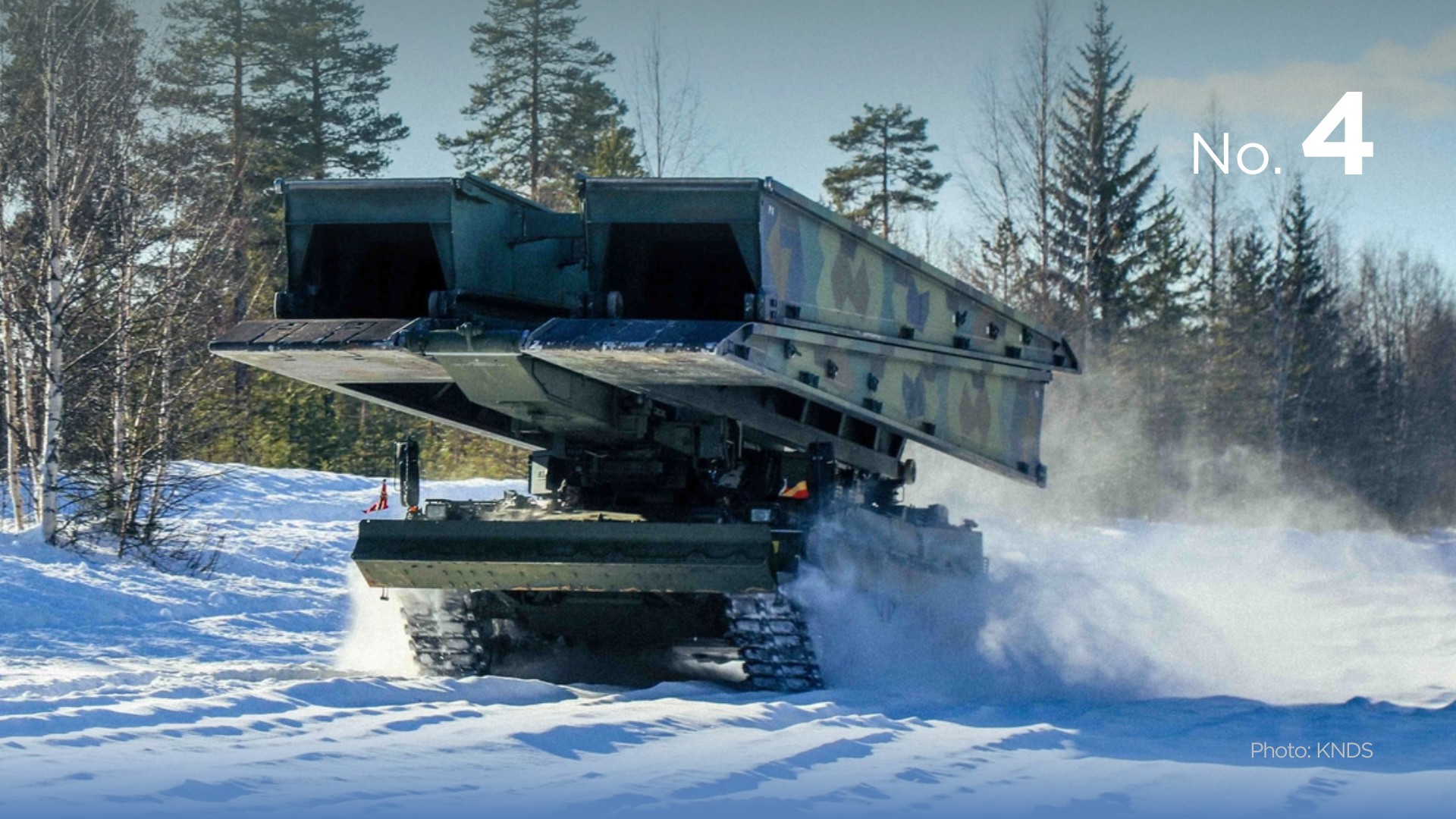
On January 28, Lithuania’s Ministry of Defence awarded KNDS Deutschland a contract worth around €210 million for the delivery of twelve LEGUAN bridge-laying systems on Leopard 2 chassis, each equipped with two 14-metre and one 26-metre bridge.
The package includes integrated logistics support covering training, specialised tools and spare parts to ensure operational readiness.
The LEGUAN Leopard 2 combines the mobility and logistics commonality of the Leopard 2 main battle tank with automated bridge deployment from a protected cabin and MLC 80 load capacity, enhancing Lithuania’s military mobility and engineering capabilities.
The system is already in service or on order with 22 armed forces worldwide, underlining its role as a proven NATO-standard bridging solution.
Baltic states and Poland to receive €112 million for infrastructure protection
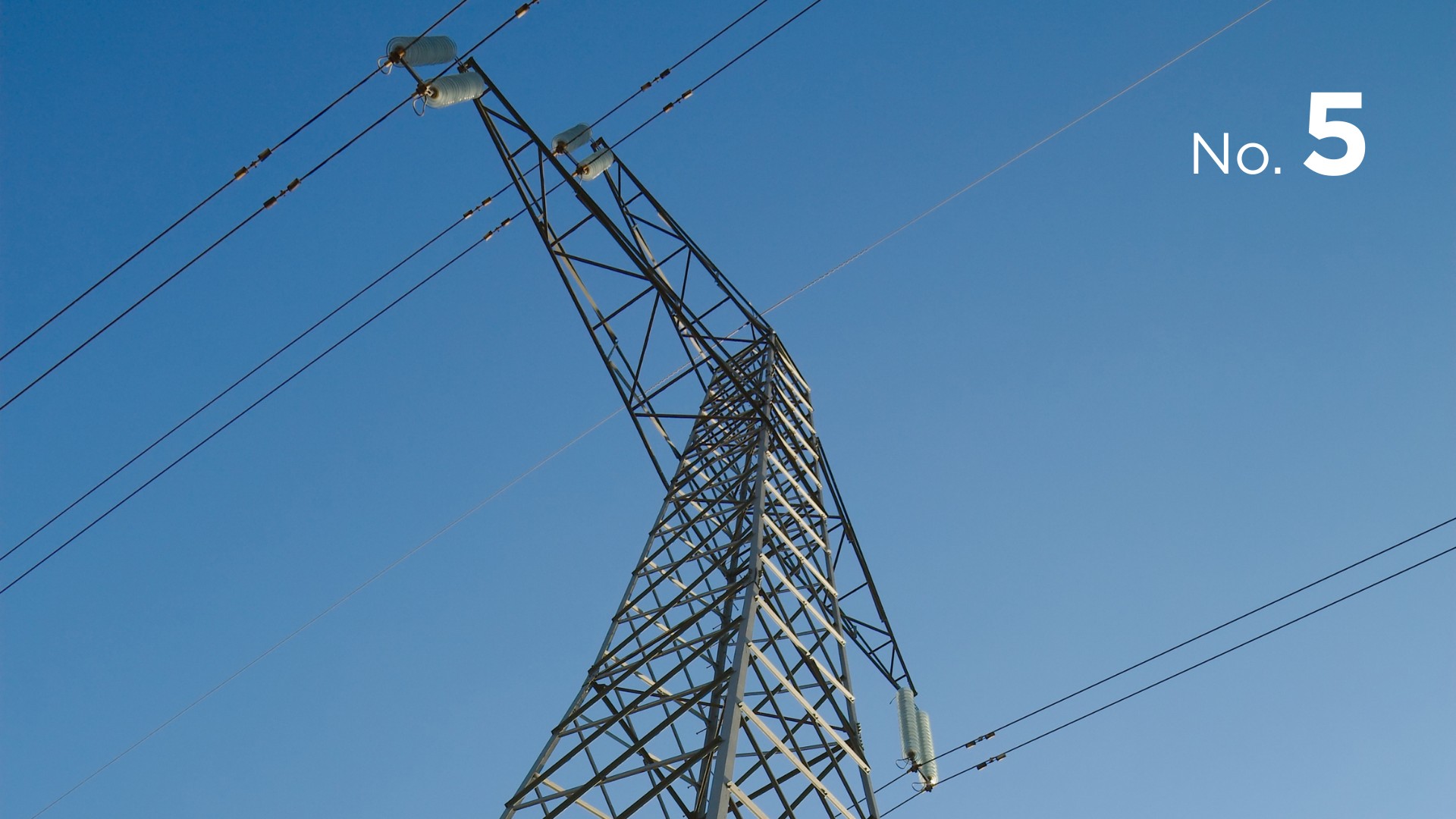
On January 28 it was announced that Baltic states and Poland have secured €112.6 million in EU funding to strengthen the protection of critical energy infrastructure linked to the synchronisation of their electricity systems, with the budget focused on enhancing physical security and resilience.
The financing, approved under the Connecting Europe Facility, will support measures such as perimeter protection, counter-drone systems and early-warning solutions for transmission infrastructure across the region.
The funding reflects growing concern over energy security following damage to infrastructure in the Baltic Sea and is intended to safeguard key assets during and after synchronisation, while helping reduce long-term system risks and costs.
The joint initiative by Latvia, Lithuania, Estonia and Poland is among the largest projects approved in this CEF funding round and underscores regional cooperation to protect strategic infrastructure.
Letter of intent on establishment of Military Mobility Zone between the Baltic states signed
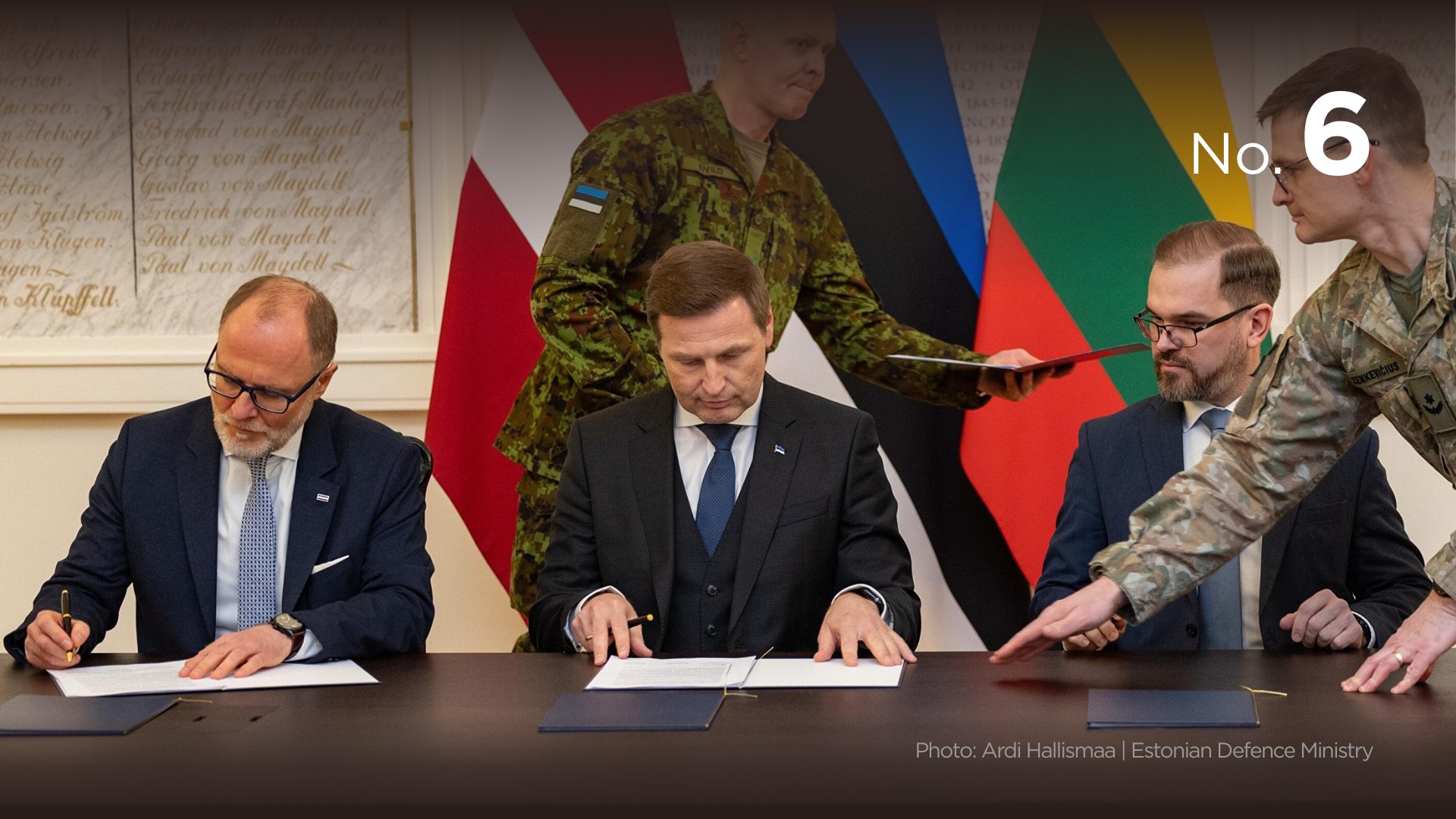
On January 30, the Baltic defence ministers have signed a letter of intent to establish a Military Mobility Zone between Latvia, Estonia and Lithuania, aimed at strengthening regional defence coordination and readiness.
The initiative will standardise border-crossing procedures, improve coordination and monitoring of military movements, and enable faster information exchange across the Baltic states, the European Union and NATO, allowing allied forces to be deployed more rapidly in a crisis.
The agreement complements ongoing efforts to develop anti-mobility infrastructure and strengthen border security in the region.
Lithuania and Poland advance Kapčiamiestis Training Area plans to strengthen Suwałki Gap security

On January 16, Lithuania’s Minister of National Defence Robertas Kaunas met Polish Defence Minister Władysław Kosiniak-Kamysz in Warsaw, with talks centred on the planned Kapčiamiestis Training Area in the Suwałki Gap.
The project, pending approval by Lithuania’s Seimas, is intended to expand joint training opportunities, strengthen deterrence and enhance defence of NATO’s eastern flank through closer Lithuanian-Polish cooperation.
Ministers agreed the site would support regional security and committed to continued coordination as planning advances, alongside broader discussions on air defence, hybrid threats and defence industry cooperation.
Latvian-developed unmanned surface drone to be delivered to Ukraine
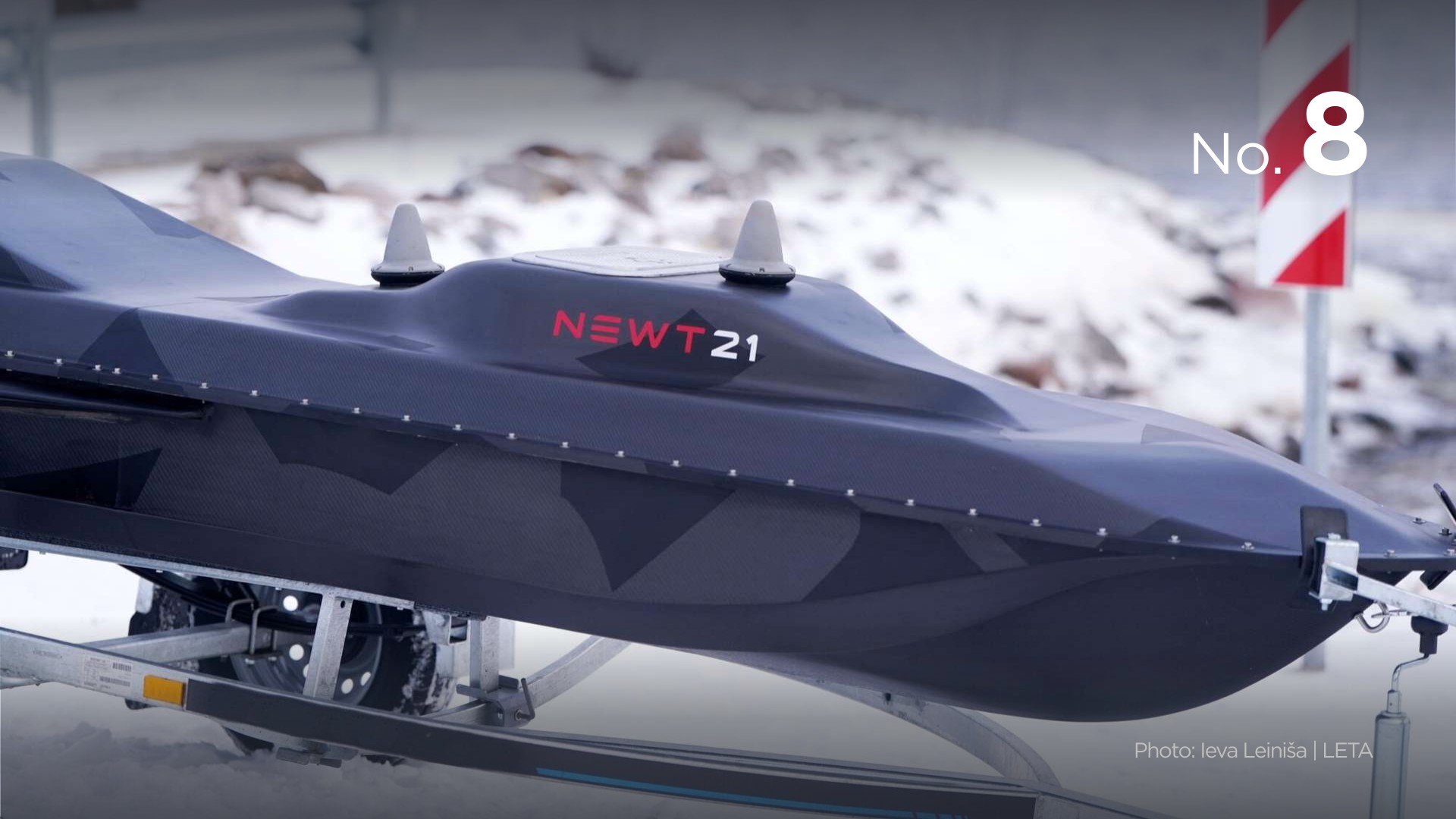
On January 6, a NEWT21 developed unmanned surface vessel funded by public donations is set to be delivered to Ukraine, supporting reconnaissance, patrol, search-and-rescue and other operational tasks.
The drone is equipped with cameras, autonomous navigation and Starlink satellite communications, enabling missions at sea and in contested environments.
The platform features a lightweight modular composite hull around 4.5 metres long and 1.5 metres wide, with a top speed of up to 86 km/h and an operational range of roughly 700–900 kilometres depending on configuration.
Valued at about €250,000, the system will be adapted by Ukrainian forces for real combat requirements, providing operational feedback for further development of Latvian-made defence technologies.
Estonia explores alternatives to major U.S. technology providers

On January 30, Estonia announced plans to assess the feasibility of reducing the state’s dependence on major U.S. technology providers, including Microsoft, Google and Amazon, as part of a broader modernization of government IT infrastructure.
The analysis, led by the State IT Center (RIT), will coincide with the ongoing transition of thousands of public-sector workstations to a centrally managed, cloud-based environment, currently relying largely on Microsoft 365 services.
Officials emphasized that there are no plans to fully abandon existing providers, but alternative solutions – potentially including European platforms and open-source tools – will be tested to strengthen digital resilience, data sovereignty, and continuity of operations in case of outages or geopolitical shifts affecting EU-U.S. technology relations.
The initiative will also evaluate costs, security risks linked to data storage abroad, and usability challenges for public servants accustomed to long-standing software ecosystems.