.png)
Latvia receives new Giraffe 1X air-surveillance radars
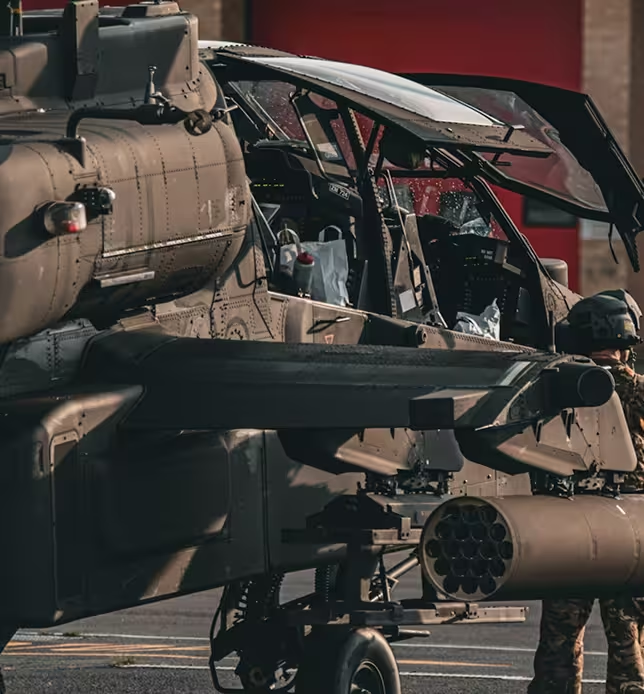
On 3 December, the Latvian Air Force received new "Giraffe 1X" air-surveillance radars from Sweden during a handover ceremony at Lielvārde Air Base.
The mobile "Giraffe 1X" systems are designed to support ground-based air defence by providing high-quality target data and detecting drones, rockets, and mortars, allowing for rapid and effective responses to aerial threats and can be deployed across different terrain and provide real-time detection of drones, missiles, and other aerial threats, significantly boosting Latvia’s air-defence capabilities and readiness alongside its allies.
Latvian Armed Forces will purchase a batch of missiles developed by Frankenburg Technologies
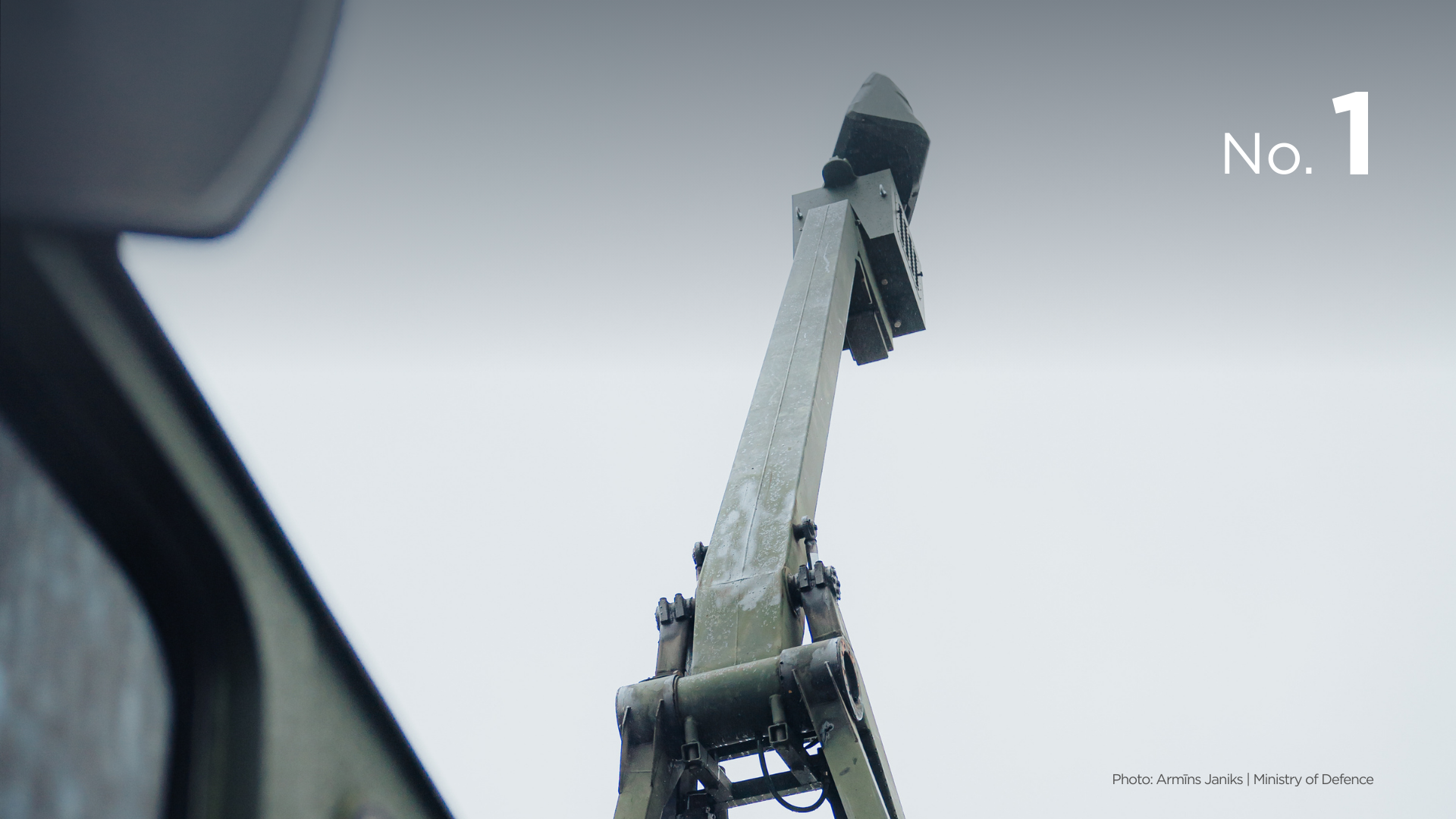
On 18 December, the Latvian National Armed Forces announced purchase of a batch of "Frankenburg Mark 1" guided missiles developed by Frankenburg Technologies for operational testing.
The missiles, designed to intercept aerial targets, including drones, completed successful live tests at the Ādaži military base that demonstrated their ability to engage and destroy fast-moving air targets.
The "Mark 1" is Frankenburg’s first guided missile built for mass-production using commercially available components, developed in a notably short 13-month cycle compared with traditional defence programmes.
Finland and Lockheed Martin celebrate debut of Finland's first F-35A
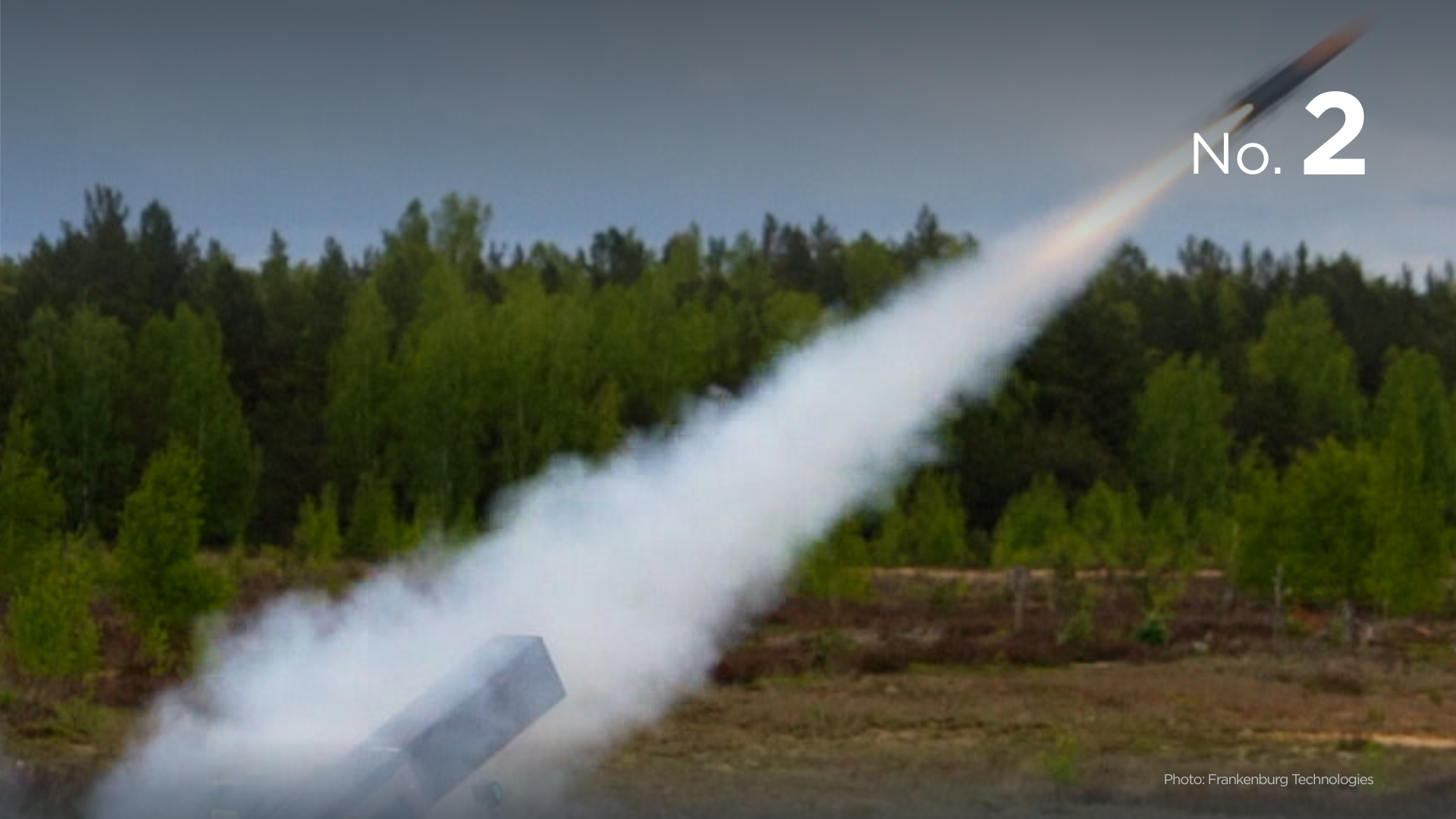
On 16 December, Finland and US defence company Lockheed Martin celebrated the debut of Finland’s first F-35A Lightning II multirole fighter aircraft at a rollout ceremony held at Lockheed Martin’s F-35 production facility in Fort Worth, Texas, marking a milestone in Finland’s modernisation of its air combat capabilities.
This first F-35A, part of Finland’s planned fleet of 64 jets under its HX fighter programme, will be delivered to the Finnish Air Force in early 2026 and then ferried to the United States for pilot and maintainer training before entering operational service, significantly enhancing Finland’s air power and interoperability with NATO allies.
The event underscored the strategic importance of the F-35 for Finland’s defence and trans-Atlantic security cooperation, as well as the role of Finnish industry in the global F-35 supply network.
Estonia to purchase six artillery missile systems from South Korea
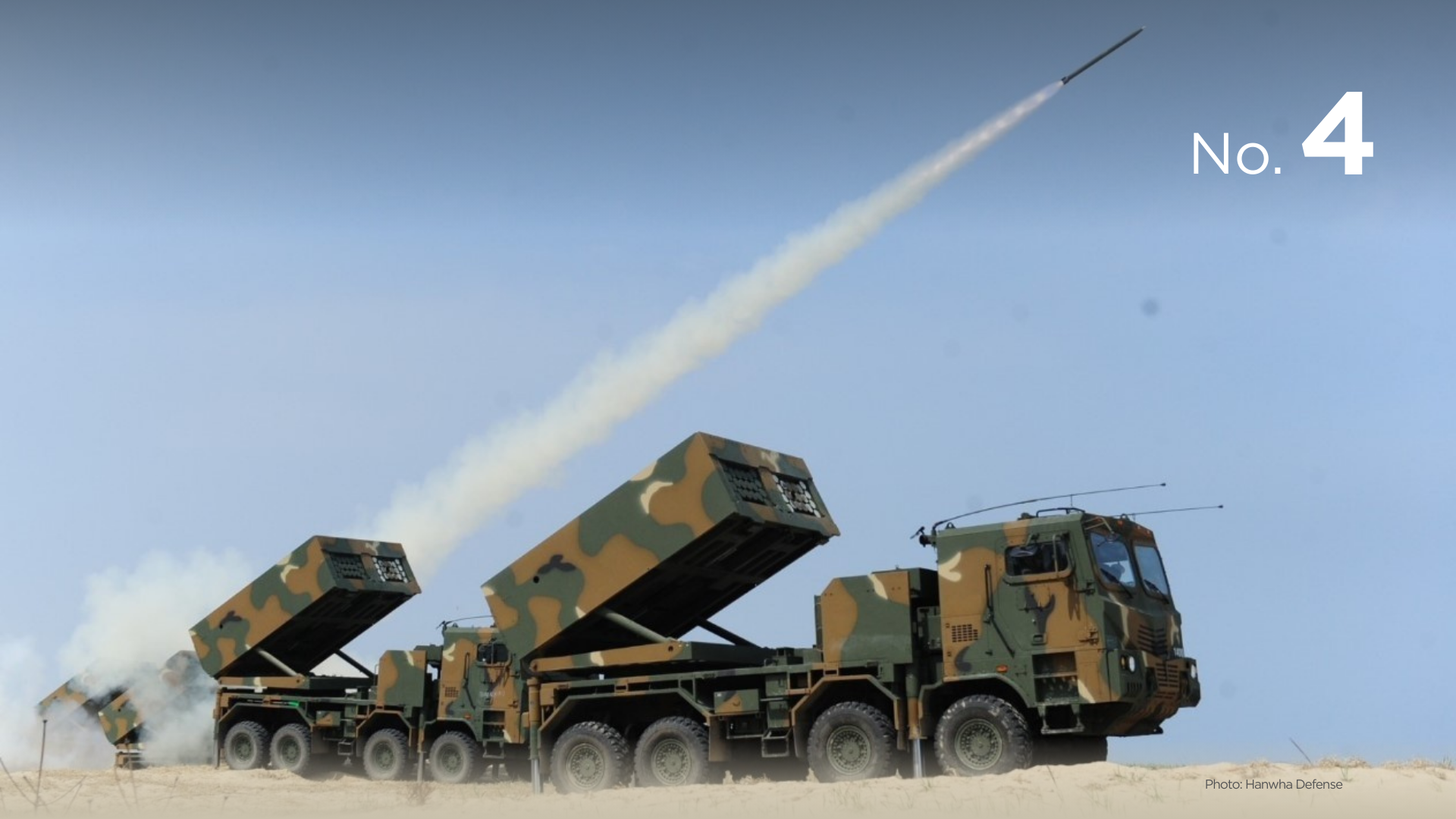
On 21 December, the Estonian Ministry of Defence announced the purchase of six K239 Chunmoo multiple launch rocket artillery systems from South Korea’s defence company Hanwha Defence, marking a significant step in strengthening the country’s long-range firepower and deterrence capabilities.
The acquisition is intended to enhance the Estonian Defence Forces’ precision strike capacity, mobility, and interoperability with NATO allies, while reinforcing regional security in the Baltic region.
In parallel, Estonia has already procured South Korean–made K9 self-propelled howitzers from Hanwha Defence, with the Estonian Defence Forces planning to receive a total of 36 systems by the end of next year, underscoring Estonia’s broader efforts to modernise its artillery capabilities and deepen defence cooperation with South Korea.
Latvia passes its largest defence budget for 2026

On 4 December, the Latvian Parliament approved the 2026 defence budget, allocating €2.16 billion, or 4.91% of GDP - the largest defence budget in Latvia’s history.
Funding will prioritise strengthening the National Armed Forces, developing key capabilities such as infantry fighting vehicles, layered air defence, drones, artillery, and eastern border security, while also supporting local defence industry projects and continued assistance to Ukraine.
National Armed Forces calls for dismantling of railway tracks on the Russian border, most effective would be a joint decision across the Baltics

On December, the National Armed Forces (NBS) and lawmakers discussed whether railway tracks near the Russian border should be removed to reduce security risks during a potential military threat.
NBS told a Saeima committee that in a crisis the absence of the tracks could delay an adversary and give defenders more time to act.
The Ministry of Defence, however, said there is currently no direct threat and that the tracks are only one of several possible anti-mobility measures. Final decisions are expected after further government evaluation in early 2026.
Defence Minister Andris Sprūds stressed the need for discussions with allies, the government and local authorities, as well as an assessment of economic losses. Transport Minister Atis Švinka warned that dismantling the tracks toward Russia would halt already declining transit flows, including cargo from Asia. Baltic presidents have noted that conditions differ among Latvia, Lithuania and Estonia, and emphasized that any decision should be coordinated among all three countries.
Lithuania to purchase domestically made anti-tank mines and FPV drone payloads
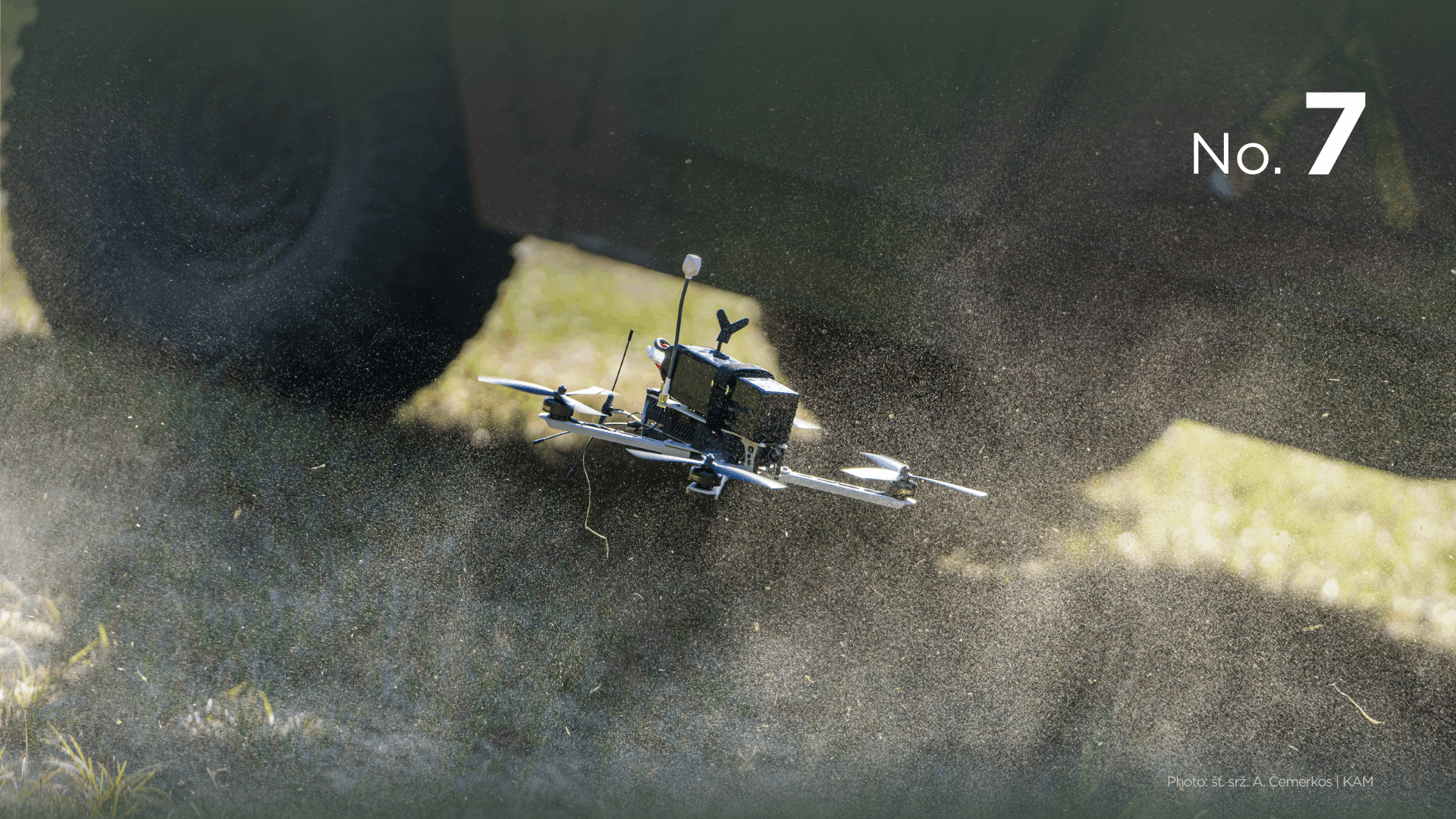
On 19 December, the Lithuanian Ministry of National Defence signed a €22.8 million contract with domestic firm Eksplosita UAB for the acquisition of anti-tank mines and a €9 million contract with LTMilTech UAB for FPV drone payloads, specifically, fragment, lens and cumulative, in a move aimed at further strengthening Lithuania’s defensive capabilities and supporting the growth of its national defence industry.
The anti-tank mines will help impede hostile armoured vehicles and control key terrain, while the FPV drone warheads offer a cost-effective precision strike solution that reduces risk to personnel compared with traditional munitions.
Patria and Germany sign €2 billion contracts for Patria 6x6 armoured vehicles
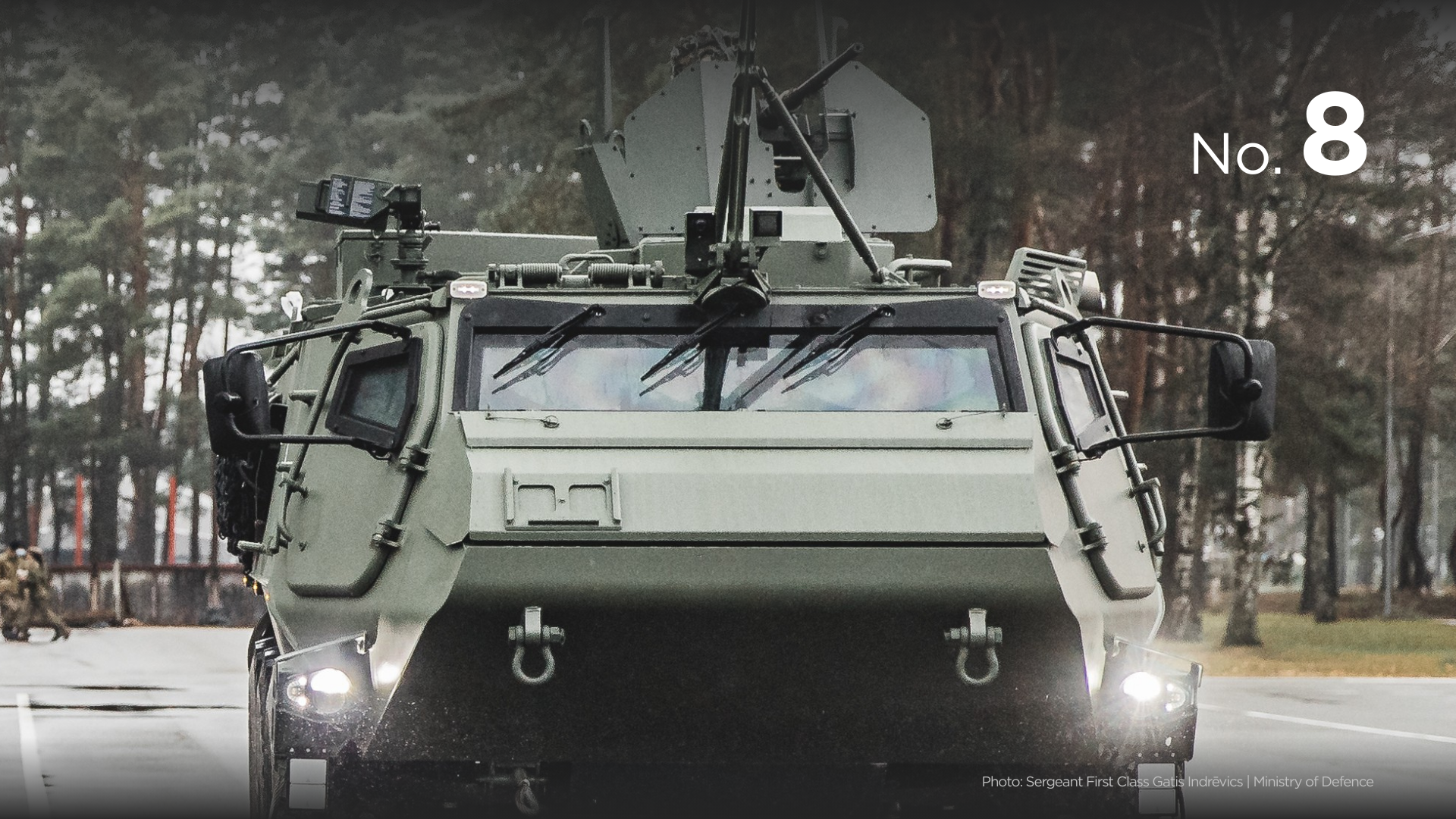
On 18 December, armoured vehicle manufacturer Patria and Germany signed contracts worth over €2 billion for the acquisition of up to 876 Patria 6x6 armoured vehicles in several configurations, marking a major step in European defence cooperation.
The deal expands Patria’s role in German Armed Forces programmes, including vehicles equipped with the NEMO mortar system and Kongsberg RS4 weapon station.
Deliveries are set to begin in 2026, followed by technology transfer to German partners FFG, JWT and KNDS, with the first domestically produced vehicles expected in 2027.
The project supports long-term industrial capacity in Germany and strengthens defence cooperation between Latvia, Finland and Germany amid growing security challenges.